
How to Make Your Poinsettias Turn Red Again
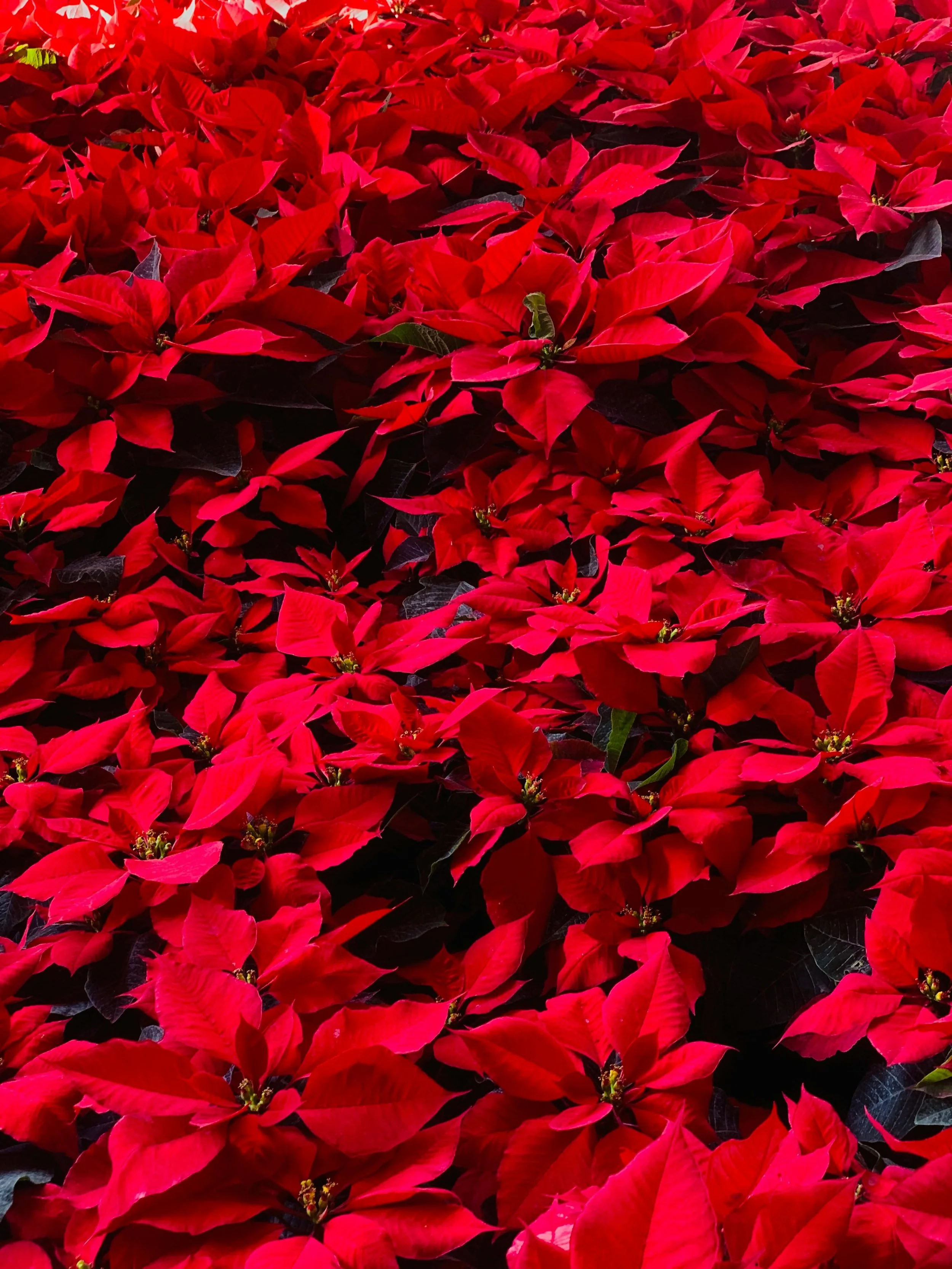
A Care Calendar for Reblooming
Poinsettias are the stars of the holiday season, but did you know they can rebloom year after year? With the right care, your poinsettia will reward you with vibrant red bracts just in time for Christmas. Here’s a printable Reblooming Calendar of the guide below. And keep reading for tips and mistakes to avoid.
Step-by-Step Reblooming Schedule
1. Post-Holiday Care (January–March)
When the red bracts fade, prune back the plant to about 6 inches tall.
Keep it in bright, indirect light and water when the soil feels dry.
Fertilize monthly with a balanced houseplant fertilizer.
2. Spring & Summer Growth (April–August)
Repot into fresh, well-draining soil.
Place outdoors in partial sun once temperatures are consistently above 60°F.
Pinch back new growth every 4–6 weeks to encourage bushiness.
Continue regular watering and feeding.
3. Critical Dark Period (September–November)
Starting around late September, give the plant 12–14 hours of complete darkness each night (e.g., place in a closet or cover with a box).
During the day, return it to bright, indirect light.
Maintain temperatures between 65–75°F.
This cycle mimics short autumn days and triggers the red bracts.
4. Holiday Display (December)
By early to mid-December, bracts should be turning red.
Stop fertilizing once color appears.
Keep them in bright light and enjoy your holiday display.
Common Mistakes to Avoid
Light leaks during the dark period: Even a small amount of light at night can prevent coloring.
Temperature swings: Cold drafts or hot air from vents stress the plant.
Skipping pruning: Without cutting back, poinsettias become leggy and weak.
Overwatering: Roots rot easily if soil stays soggy.
Signs of Success
Bracts begin to show red (or pink/white depending on variety) by late November.
Leaves remain firm and upright, not droopy.
Plant looks compact and full from summer pinching.
Have you ever kept a poinsettia alive past the holidays? Tell us your best tips—or your funniest fails!